Habits That Reduce Anxiety: A Short Daily Approach
By:Author:Mindway Editorial
Updated on:October 20, 2026
- Do Small Daily Habits Actually Reduce Anxiety?
- Daily Habit or Waiting Until Anxiety Peaks
- Why the Five-Minute Habit Beats Fighting Anxiety Head-On
- Adjusting Anxiety-Easing Habits to Where You're Starting From
- Making an Anxiety-Easing Habit Fit an Ordinary Week
- The Myth That You Can Switch Off Anxious Thoughts
- Building Steadier Anxiety Habits With Mindway
- Starting Tonight With One Small Shift
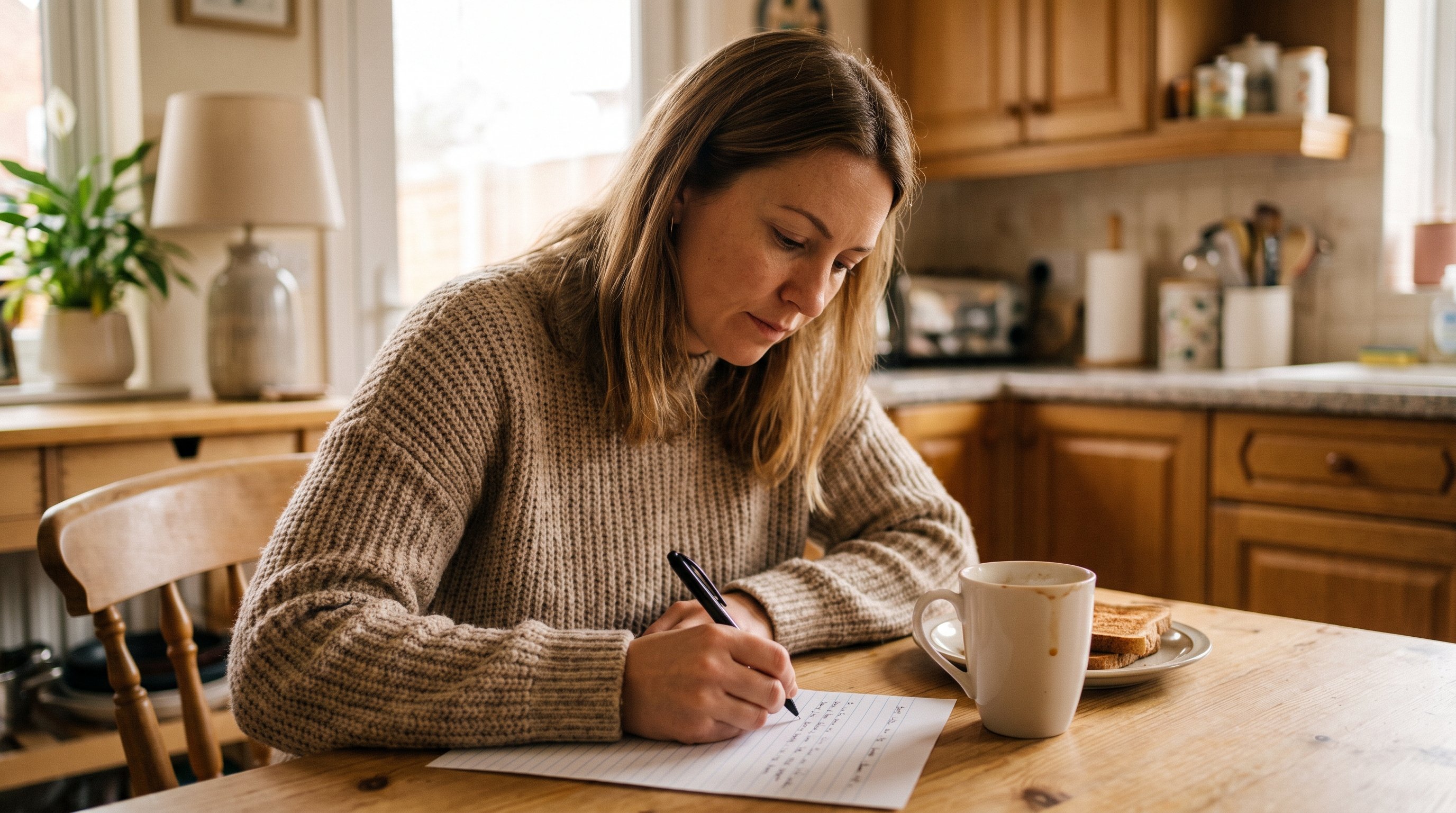
The most useful habits that reduce anxiety are small, repeatable, and done daily rather than saved for a crisis - a few minutes of slower breathing, a short written check-in, or a set point in the day where you step back from your thoughts.
Anxiety often builds because the mind keeps rehearsing the same worries with no fixed point to stop and reset, so a short daily habit gives the brain a repeated, predictable off-ramp instead of waiting for willpower to kick in mid-spiral.
This guide covers how daily habits actually work against anxious thinking, how they compare with trying to white-knuckle through it, who they suit, and how a structured tool like a guided habit app can make the habit easier to keep.
Do Small Daily Habits Actually Reduce Anxiety?
A short daily habit works by interrupting the loop before it gathers momentum, not by removing anxious thoughts altogether.
Anxious thinking tends to compound - one worry triggers a related one, and within minutes you're ten thoughts deep with no clear starting point.
A five-minute daily practice gives you a fixed moment to step outside that chain, which matters more than the length of the session.
Here's the honest arithmetic: five minutes a day is roughly 35 minutes a week and about 150 minutes a month, far less than an hour-long routine that gets skipped more often than it gets done.
A habit you actually repeat beats a bigger one you only do twice, simply because repetition is what builds the pattern in the first place.
Daily Habit or Waiting Until Anxiety Peaks
Most people weigh two approaches: build a small habit into the ordinary day, or wait and try to manage anxiety only when it spikes.
Laid out side by side, the difference in what each approach actually asks of you becomes clearer.
| Approach | Daily Effort | Predictability | Recovery Time | Drop-Off Risk |
|---|---|---|---|---|
| Daily short habit | Five minutes, fixed time | Same cue every day | Short, steady | Low |
| Wait until it peaks | Unclear, often longer | No fixed cue | Slower to settle | High |
Neither approach removes anxious thinking completely, but one gives you practice before you need it and the other asks you to perform under pressure with no warm-up.
Why the Five-Minute Habit Beats Fighting Anxiety Head-On
Fighting anxious thoughts head-on, in the moment they spike, asks a lot of you - clear thinking, patience and calm, right when you have the least of all three.
A short daily habit asks for almost nothing by comparison: five minutes, done at roughly the same time, on an ordinary day when you're not already overwhelmed.
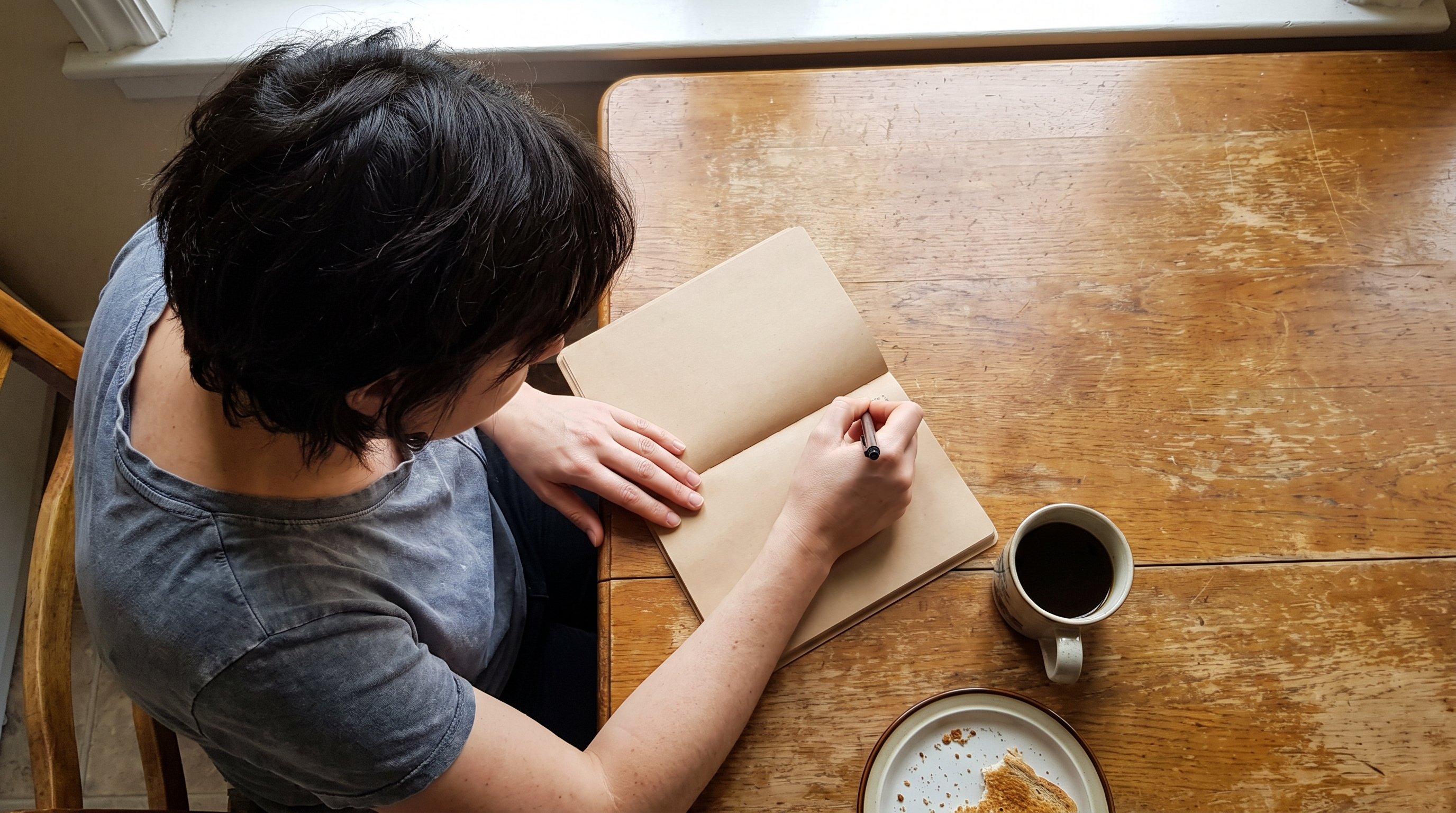
That's the real argument for the easier route - it isn't that it's more powerful in any single moment, it's that you'll actually keep doing it.
A habit practised on calm days becomes familiar enough to reach for on harder ones, which is a different kind of strength than trying to invent a coping strategy from scratch under pressure.
Adjusting Anxiety-Easing Habits to Where You're Starting From
If You're New to This
Start with one habit, not five - a single short check-in at a fixed time of day is easier to remember and easier to judge than a whole routine.
If Your Days Are Packed
Attach the habit to something you already do, like the kettle boiling or the commute home, so it doesn't need its own slot on the calendar.
If You've Tried and Stopped Before
Shrink the habit further than feels necessary - two minutes that actually happen beats fifteen that get postponed.
If Anxiety Shows Up Mostly at Night
Move the habit earlier in the evening, before the mind has had a chance to speed up, rather than trying to calm it once you're already in bed.
Making an Anxiety-Easing Habit Fit an Ordinary Week
The habit only holds if it survives an ordinary, unremarkable week - not a perfect one.
That means picking a cue you'll actually encounter daily, keeping the habit short enough that skipping it feels pointless, and not treating a missed day as a reason to quit.
Mindway builds this structure in directly, with daily 5-minute lessons and stress-and-anxiety relief techniques designed for immediate comfort in stressful moments, so you're not left guessing what the five minutes should contain.
The content adjusts to you rather than asking you to follow a generic script, which matters when the goal is a habit you keep, not one you abandon by week two.
The Myth That You Can Switch Off Anxious Thoughts
A common hope is that the right habit will switch anxious thinking off completely, like flicking a light switch.
That's not how it works, and it's worth saying plainly rather than letting the idea sit unchallenged.

The mind doesn't have an off switch for worry, and no habit, app or routine removes anxious thoughts for good.
What a daily habit actually does is give you a repeated, practised way to notice the thought earlier and step back from it sooner, which over time changes how long a worry holds its grip - that's a more honest promise than silence, and a more useful one.
Building Steadier Anxiety Habits With Mindway
Once the habit itself makes sense, the next question is what makes it easier to actually keep up.
Mindway starts with a quick quiz and builds a plan tailored for you, rather than handing you a generic list of things to try.
It combines daily 5-minute lessons, proven CBT-based practices, and tailored habit-building strategies, so the five-minute habit has actual structure behind it instead of being five minutes of guessing.
The daily guidance and mental health tips are there to help you notice patterns and stay consistent, which is usually the harder part once the first week of motivation wears off.
Calm Your Mind Today
Feel Peace Every Day
Starting Tonight With One Small Shift
You don't need a full routine to start - pick one moment today, five minutes, same time tomorrow, and let that be the whole habit for now.
The goal isn't a perfect week, it's a repeatable one, and repeatable is what actually changes how anxious thinking shows up over time.
A guided app like Mindway is there if you'd rather have the structure built for you from the first day, instead of working it out alone.
FAQ
It's genuinely different for everyone, so it's best to stay vague about timing rather than promise a number - the point is consistency, not a deadline.
A short habit isn't meant to do everything at once - it's meant to be repeated daily, and repetition is what builds the effect over time, not the length of any single session.
Attach the habit to something already happening, like the kettle boiling or waiting for a bus, so it doesn't need a dedicated slot to survive a busy day.
Missing days doesn't undo the habit, it just means picking the next cue and starting again, and daily guidance like Mindway offers is built around that kind of restart rather than expecting a perfect streak.
Share this post